Get Mold Air Testing
Mold air testing services help property owners identify mold presence and air quality issues in homes or buildings, typically involving inspections, sampling, and analysis by trusted local contractors.
Mold air testing services provide a practical way for property owners to assess indoor air quality and identify potential mold issues. Whether planning a renovation, addressing unexplained allergies, or simply maintaining a healthy living environment, understanding the presence of mold in the air can be an important step. Local contractors specializing in mold air testing can help determine if mold spores are present and at what levels, offering valuable insights for informed decision-making.
For those in the area considering property improvements or concerned about indoor air health, exploring local options for mold air testing can ensure access to experienced service providers. Comparing different contractors can help find the right fit for your specific needs, making it easier to plan projects with confidence. Keep reading to learn more about how local mold air testing services can support your property management and health goals.
- Mold Air Testing - when homeowners notice persistent musty odors or visible mold growth indoors.
- Indoor Air Quality Assessments - if there are concerns about mold spores affecting health or air purity.
- Post-Remediation Testing - after mold removal to verify that the indoor environment is safe and mold-free.
- New Construction or Renovation Testing - during or after building projects to ensure mold issues are not present or reintroduced.
- Environmental Monitoring - in sensitive spaces like healthcare facilities or laboratories requiring ongoing mold surveillance.
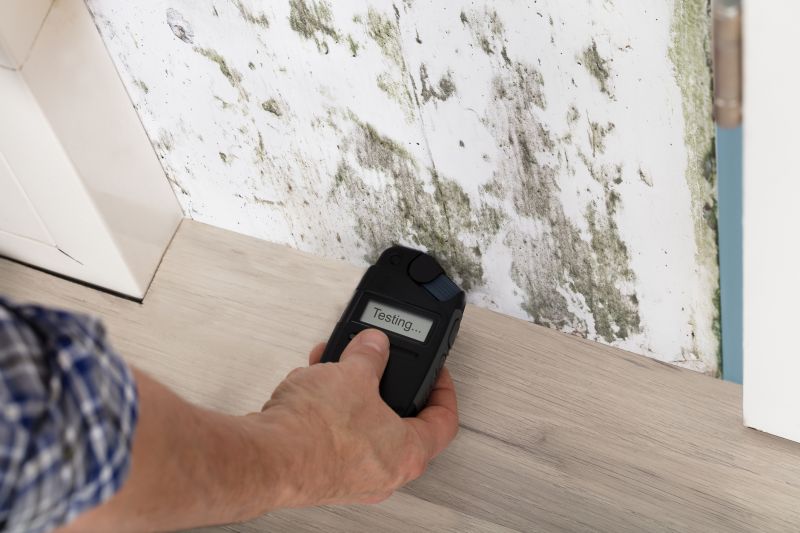
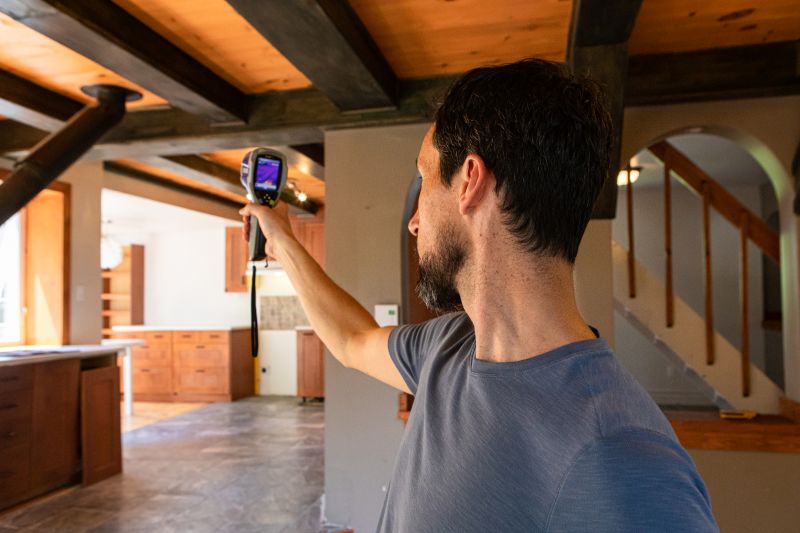
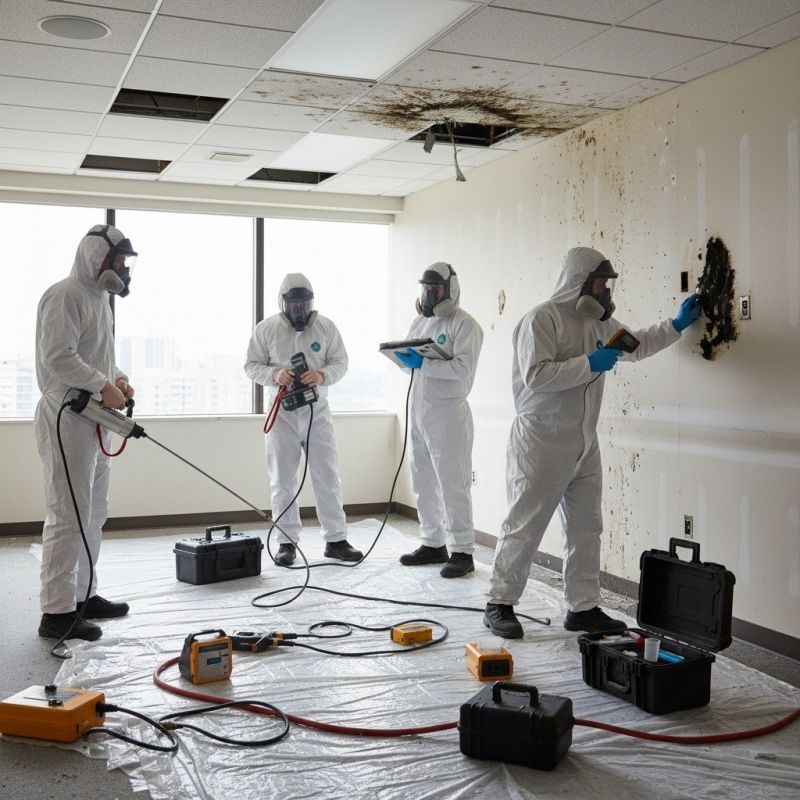
Mold air testing services involve collecting air samples from inside a property to detect the presence of mold spores. This process helps identify whether mold is growing unseen within walls, ceilings, or other hidden areas. By analyzing the samples in a laboratory, service providers can determine if mold levels are elevated and whether they pose a health concern. This testing is a practical step for homeowners who notice signs of mold, such as a musty odor, allergy symptoms, or visible growth, but are unsure about the extent or cause of the problem.
These services are particularly useful for diagnosing mold issues that are not immediately visible but may be affecting indoor air quality. Elevated mold spore levels can indicate ongoing mold growth behind walls, under flooring, or in ventilation systems. Mold air testing helps pinpoint the source of contamination, allowing for targeted remediation. It can also be an important part of the process for homeowners who want to ensure their indoor environment is safe after water damage or flooding, which can create ideal conditions for mold growth.
Properties that typically utilize mold air testing include residential homes, especially those that have experienced leaks, flooding, or ongoing moisture problems. It is also common in commercial buildings, rental properties, and multi-family residences where multiple occupants may be affected. Additionally, mold testing services are often sought during real estate transactions, either to verify the safety of a property or to assess the need for remediation before purchase or sale. Any property where mold growth is suspected or confirmed can benefit from this type of testing to improve indoor air quality.
Homeowners who are concerned about health issues related to mold exposure or who have noticed persistent musty odors may find mold air testing helpful. It is also recommended for those who are planning renovations or repairs that could disturb hidden mold colonies. By working with local contractors experienced in mold testing, property owners can gain a clearer understanding of indoor air conditions and determine whether remediation is necessary. This approach helps ensure that indoor environments remain healthy and safe for all occupants.
The overview below groups typical Mold Air Testing projects into broad ranges so you can see how smaller, mid-sized, and larger jobs often compare in your area.
In many markets, a large share of routine jobs stays in the lower and middle ranges, while only a smaller percentage of projects moves into the highest bands when the work is more complex or site conditions are harder than average.
Smaller Mold Air Testing - typical costs range from $250 to $600 for many routine jobs. Most residential tests fall within this range, covering common mold concerns in single rooms or small areas.
Mid-Size Projects - costs generally fall between $600 and $1,500. These projects often involve multiple rooms or larger spaces, with many service providers offering packages within this range.
Larger or Complex Tests - prices can range from $1,500 to $3,000 for extensive assessments. Fewer projects reach this tier, usually involving detailed analysis or multiple property locations.
Full Property or Remediation Testing - comprehensive testing can cost $3,000 or more, especially for large buildings or detailed environmental assessments. Such projects are less common and typically involve extensive sampling and analysis.
Actual totals will depend on details like access to the work area, the scope of the project, and the materials selected, so use these as general starting points rather than exact figures.
Indoor Air Quality Assessments - professionals who evaluate overall air quality often perform mold air testing as part of their services to identify airborne contaminants.
Environmental Sampling Projects - specialists collecting and analyzing samples from various environments use similar tools and planning methods to detect mold spores and other particles.
Building Inspection Services - inspectors assessing property conditions may include mold air testing to identify hidden mold issues affecting indoor air.
HVAC System Inspections - contractors evaluating heating and cooling systems often conduct air sampling to detect mold growth within ductwork and vents.
Water Damage Restoration Projects - restoration experts handling water intrusion often use mold air testing to determine the extent of mold contamination after flooding.
Asbestos and Hazardous Material Testing - service providers testing for various airborne hazards utilize similar sampling techniques and planning approaches as mold air testing professionals.
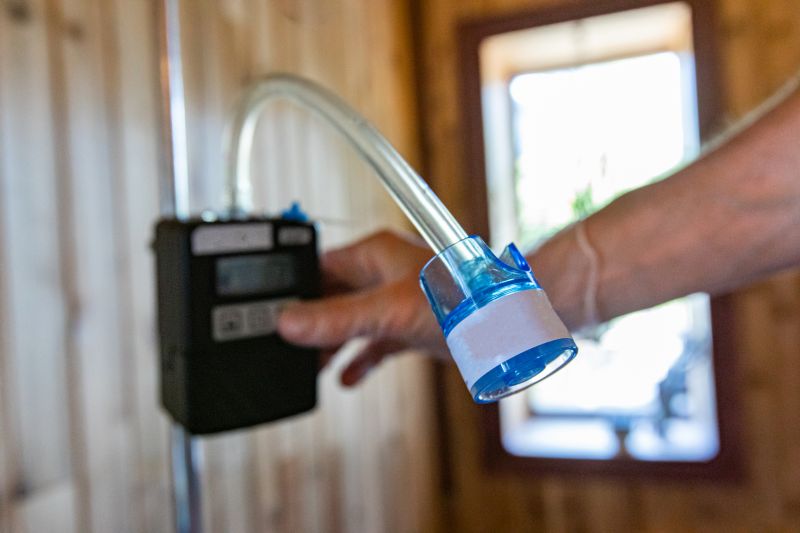
When comparing local service providers for mold air testing, it’s important to consider their experience with similar projects. Homeowners should seek out contractors who have a proven track record of handling mold testing in residential environments. An experienced provider will understand the nuances of different mold issues and be familiar with the appropriate testing methods, ensuring that the results are accurate and reliable. Asking about the types of properties they have worked on and the scope of their experience can help determine if a contractor is well-equipped to address specific concerns.
Clear, written expectations are essential when choosing a mold air testing service. Homeowners should request detailed information about what the testing process involves, what types of samples will be taken, and how the results will be communicated. A reputable service provider will be transparent about their procedures and provide documentation that outlines what clients can expect throughout the process. This clarity helps prevent misunderstandings and ensures that everyone is aligned on the scope and objectives of the testing.
Reputable references and good communication are key factors in selecting a reliable local contractor. Homeowners are encouraged to ask potential service providers for references from previous clients who had similar mold testing needs. Contacting these references can provide insights into the contractor’s professionalism, thoroughness, and ability to deliver clear information. Additionally, a service provider who maintains open, respectful communication and responds promptly to questions demonstrates a commitment to customer service. These qualities help foster confidence that the mold air testing will be conducted properly and that results will be explained clearly, supporting informed decisions about next steps.
Property owners use Mold Air Testing services for practical projects around their homes and businesses. This guide focuses on everyday jobs and straightforward project options.
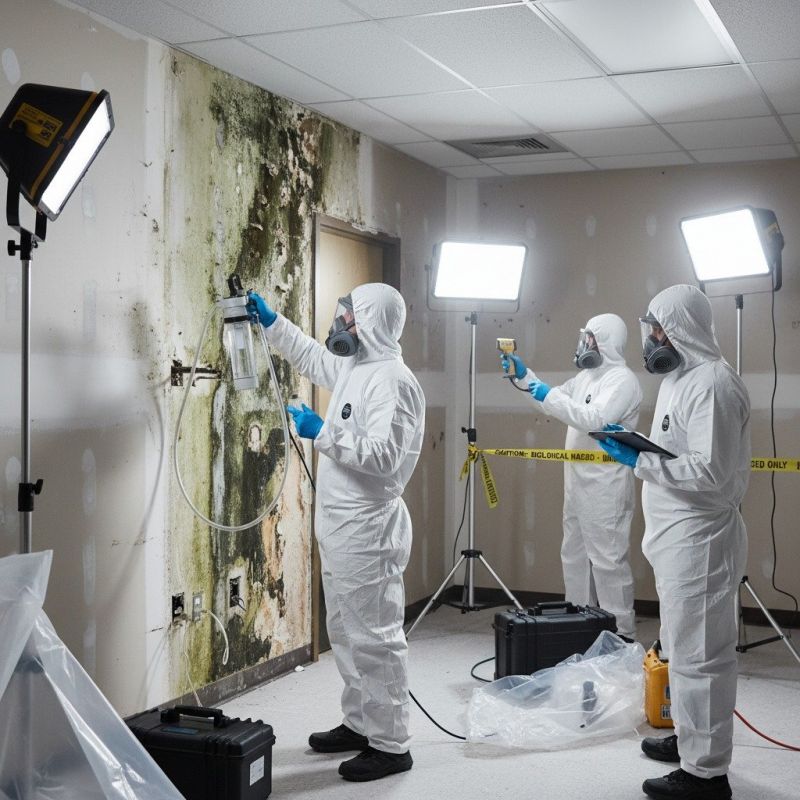
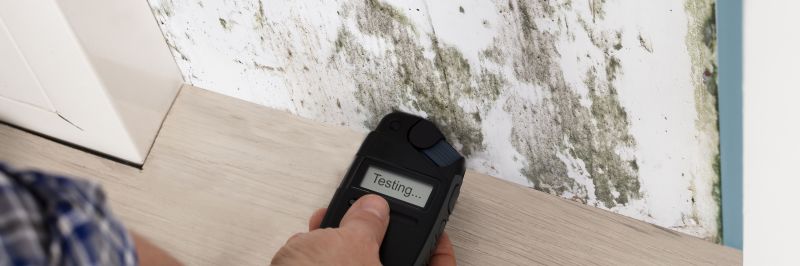
Mold air testing services are often sought after by property owners experiencing unexplained odors, visible mold growth, or ongoing allergy symptoms. Whether a homeowner notices a musty smell in a basement or suspects hidden mold behind walls after water damage, local contractors can perform air quality assessments to identify mold presence and concentrations. These tests help property owners understand if mold is affecting indoor air and assist in determining the appropriate steps for remediation.
In other cases, property owners might consider mold air testing during real estate transactions or before renovating damp or water-damaged areas. Detecting airborne mold spores early can prevent health issues and costly repairs later on. Local service providers offer these testing solutions to help identify potential mold problems, giving property owners peace of mind and clarity about indoor air quality conditions.
What is mold air testing? Mold air testing involves sampling the air in a space to detect the presence and concentration of mold spores, helping to identify potential indoor air quality issues.
Why should I consider mold air testing? Mold air testing can help determine if mold spores are present in the air, which may indicate hidden mold growth or indoor air quality concerns that need to be addressed.
How do local contractors perform mold air testing? Certified service providers typically use specialized air sampling equipment to collect samples, which are then analyzed to identify mold levels and types present in the environment.
Can mold air testing identify the source of mold? While air testing can reveal mold presence in the air, pinpointing the exact source often requires a visual inspection or further investigation by a qualified professional.
Is mold air testing suitable for allergy or asthma sufferers? Yes, mold air testing can help identify mold levels that may affect individuals with allergies or asthma, enabling them to take appropriate measures to improve indoor air quality.
Mold Air Testing for Home Renovations - Before starting a renovation project, property owners can use mold air testing to identify hidden mold issues that may affect indoor air quality.
Post-Remediation Mold Air Testing - After mold removal, testing can verify that the space is safe and free from residual mold spores, ensuring a healthy environment.
Air Quality Assessment for Sensitive Spaces - Owners of homes with allergy sufferers or respiratory concerns can use air testing to assess indoor air quality and identify mold-related risks.
Detecting Mold in Attics and Basements - Testing helps property owners identify mold presence in less visible areas like attics and basements, guiding necessary cleanup efforts.
If you are thinking about Mold Air Testing for a property, this guide is meant to help you understand the work, the typical project types, and how different options might fit your plans.
When you are ready, you can use the quote form on this page to share a few details about your project. From there, local pros can review the basics and respond with options that match what you have in mind.